Hypertension in South Africa: Symptoms, Risks & Treatment Guide
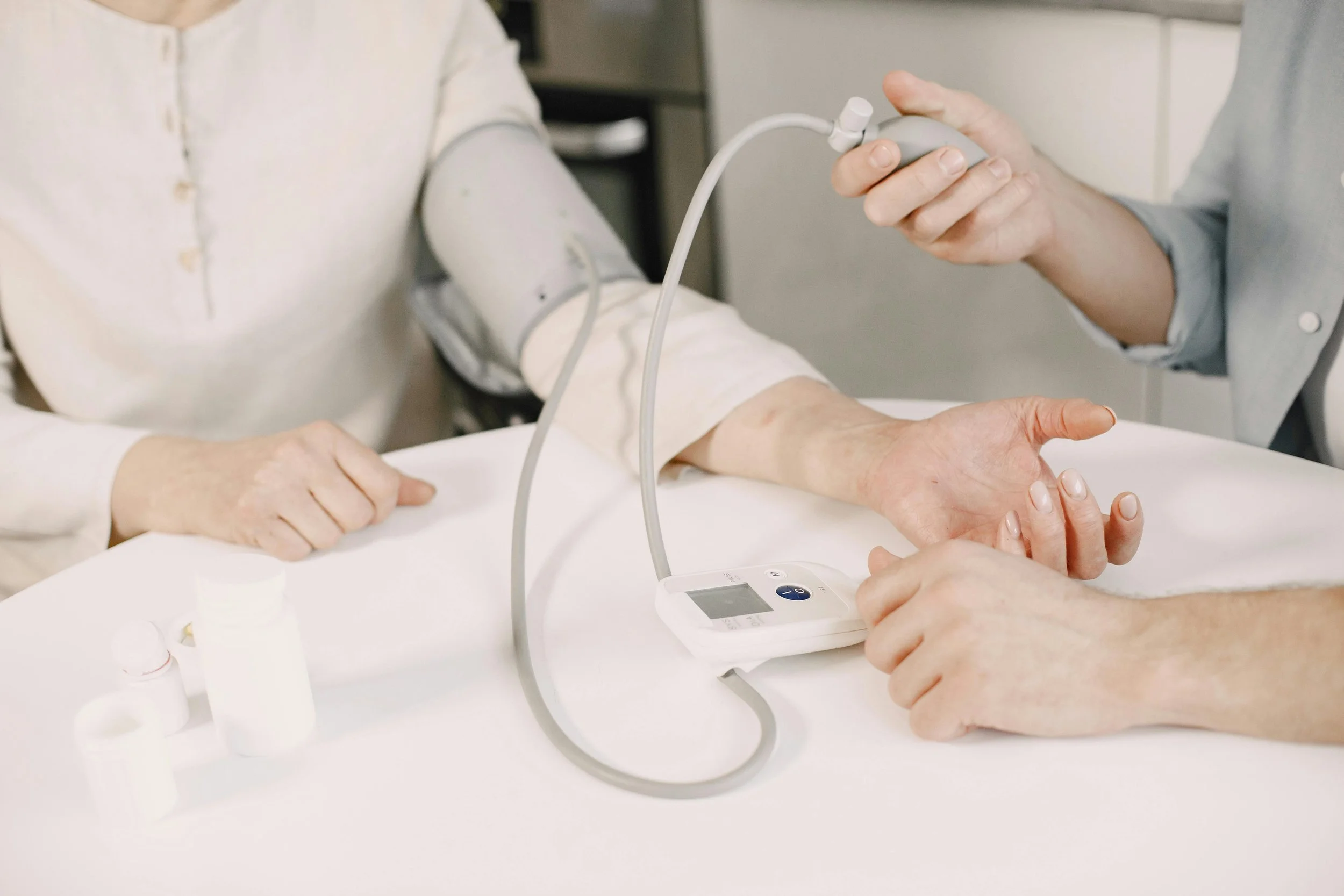
Knowing your numbers is the first step. A simple blood pressure reading could save your life. (PHOTO: Pexels/Gustavo Fring)
By Dr Nadia Ismail | MBChB (STELL) and Keshia Africa
Did you know that millions of people are living with high blood pressure without even knowing it?
Hypertension, commonly known as high blood pressure, is one of the most prevalent chronic conditions in South Africa and one of the most dangerous.
In our country, more than 1 in 3 adults live with high blood pressure, as reported by the Heart and Stroke Foundation SA. South Africans also have one of the highest rates of hypertension in the world. Locally, it is responsible for one in every two strokes and two in every five heart attacks.
According to the Heart and Stroke Foundation SA, 9 in 10 adults with high blood pressure go unscreened, undiagnosed or untreated, giving the disease its nickname as the ‘silent killer’.
When left unmanaged, high blood pressure quietly puts strain on your heart, arteries, kidneys, and brain – increasing your risk of heart attack, stroke, and organ damage. The good news? It is highly manageable, and the first step is simply knowing your numbers.
Whether you've recently been diagnosed, have a family history of hypertension, or just want to take a proactive approach to your health, this guide is for you.
WHAT IS HYPERTENSION?
It is a chronic medical condition where the force of blood pushing against the walls of the arteries is consistently too high.
Think of your blood pressure as the life force flowing through you. When it is being measured, doctors look at how hard your blood pushes against the walls of your arteries as your heart works.
It’s important to know what your blood pressure is as it regulates the blood flow throughout your body. A smooth flow of blood through our arteries is necessary as it provides us with the everyday essential nutrients and the ability to function.

Hypertension doesn't discriminate. It affects people of every age, background, and walk of life. (PHOTO: Pexels/Cotton Bro Studio)
WHO IS MOST AT RISK?
There are various risk factors for this condition, and understanding them can help protect your health:
Our environment: Environmental factors like socio-economic circumstances, high stress environments in everyday life, financial stress and family stress can cause hypertension to be more severe.
Genetics: Hypertension is a disease that has a genetic factor and can be hereditary.
Lifestyle: The ability to live an active and healthy lifestyle can be a big determining factor in your blood pressure. South Africa has one of the highest sedentary lifestyles in the world and being sedentary is counterproductive to your cardiovascular and respiratory health.
Added lifestyle factors that place more pressure on our hearts, such as a diet high in salt, regular alcohol use, and smoking, are major contributors to elevated numbers.
Age: Young, flexible arteries can expand slightly to absorb the force of each heartbeat, then gently push blood along. When arteries stiffen with age, they can't buffer that force as well – so the pressure of the blood against the vessel walls increases. That's hypertension.
WHY IS IT IMPORTANT TO KNOW MY READING?
Imagine a delicate silk ribbon being pulled too tightly day after day — at some point, the fibres begin to take strain. In your body, that persistent tightness places a heavy burden on your heart, blood vessels, and vital organs. When left unmanaged, the long-term outcomes can be life-altering and includes:
Heart Attack & Failure: The heart muscle weakens over time from the extra effort.
Stroke: Pressure can cause blood vessels in the brain to rupture or become clogged.
Kidney Disease: Hypertension is a leading cause of end-stage kidney disease in South Africa
Vision Loss & Vascular Dementia: Damage to the small vessels in the eyes and brain can affect your sight and memory.
HOW IS IT TESTED?
During a consultation, a blood pressure cuff is wrapped around your arm and inflated to measure the pressure in your arteries. The reading produces two numbers – systolic (the pressure when your heart beats) and diastolic (the pressure when your heart rests between beats), recorded as a ratio like 120/80 mmHg.
A normal reading sits at around 120/80 mmHg. Hypertension is generally diagnosed when your reading is consistently at 130/80 mmHg or higher.
A single high reading doesn't always tell the whole story — your doctor may suggest follow-up measurements, blood tests, or an ECG to get a complete picture of your heart health and rule out any contributing conditions.
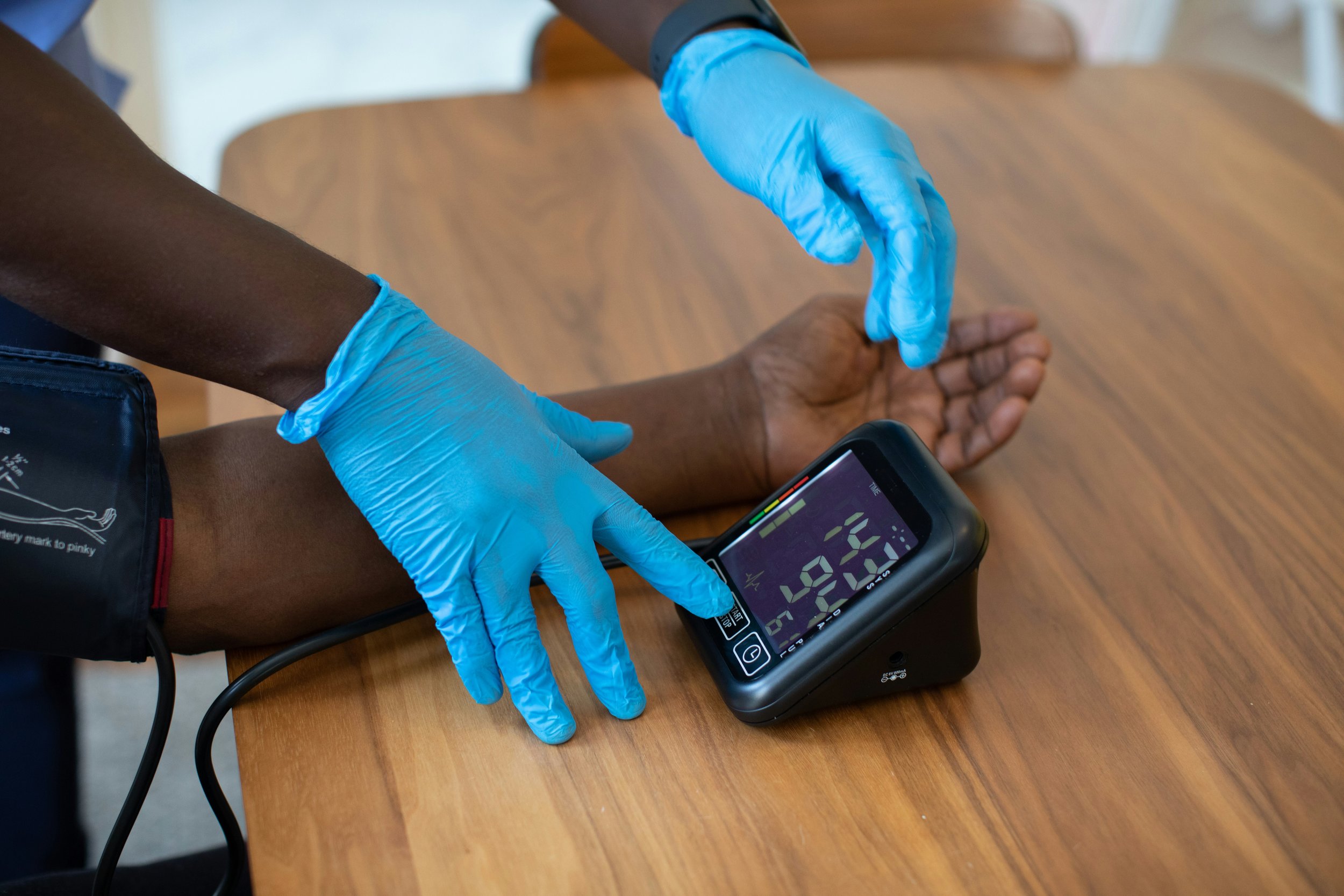
A blood pressure test is one of the simplest, most valuable things your doctor can do for you. The earlier you check, the more options you have. (PHOTO: Unsplash)
WHEN TO SEE A DOCTOR:
By the time any symptoms appear, your body has already been struggling for a long time, so it is better to act sooner rather than later. If you are experiencing any of the symptoms below, it is advisable to see your GP:
Persistent headaches
Dizziness
General sense of feeling unwell
More severe symptoms for concern relating to hypertension include:
Intermittent chest pain
Kidney changes: A shift in the frequency of urinating outside of your ordinary schedule.
WHAT DOES TREATMENT LOOK LIKE?
Treatment for hypertension consists of basic medication as a daily intake, as well as lifestyle changes that need to be made. Hypertension is a chronic condition, but it is far from a life sentence. With the right management plan, most people live full, active lives with their blood pressure well under control.
One of the most important parts of managing hypertension is building a long-term friendship with your body through:
1. Cut the Salt, Lower the Pressure
When you consume too much sodium, your body retains excess water in the bloodstream, increasing the pressure against your artery walls. Reducing your intake gives your kidneys the chance to release that fluid – and your blood pressure responds positively. Watch out for hidden sodium in everyday South African staples like bread, stock cubes, processed meats, and takeaways.
Pairing a lower-sodium diet with plenty of fruits, vegetables, and whole grains – the foundation of the DASH diet – gives your blood pressure the best possible environment to stabilise.

Good food is good medicine. Your plate is a great place to start. (PHOTO: Pexels/Vanessa Loring)
2. Movement as Medicine:
A brisk 30-minute walk along the Sea Point promenade or through the Company's Garden can meaningfully lower your blood pressure over time – and it barely feels like exercise.
3. Gentle Medical Support:
When lifestyle changes need a helping hand, modern medication is highly effective at relaxing your blood vessels, reducing the workload on your heart, and protecting your kidneys, brain, and eyes from long-term damage.
4.Reduce Alcohol and Quit Smoking
Both alcohol and smoking cause your blood vessels to constrict and your heart to work harder. Cutting back on alcohol and quitting smoking are two of the most impactful changes you can make, and your GP can help you with both.
5. Know Your Numbers at Home
A home blood pressure monitor is one of the most useful tools you can own. Checking your reading regularly between appointments helps you and your doctor track your progress and catch any concerning changes early.
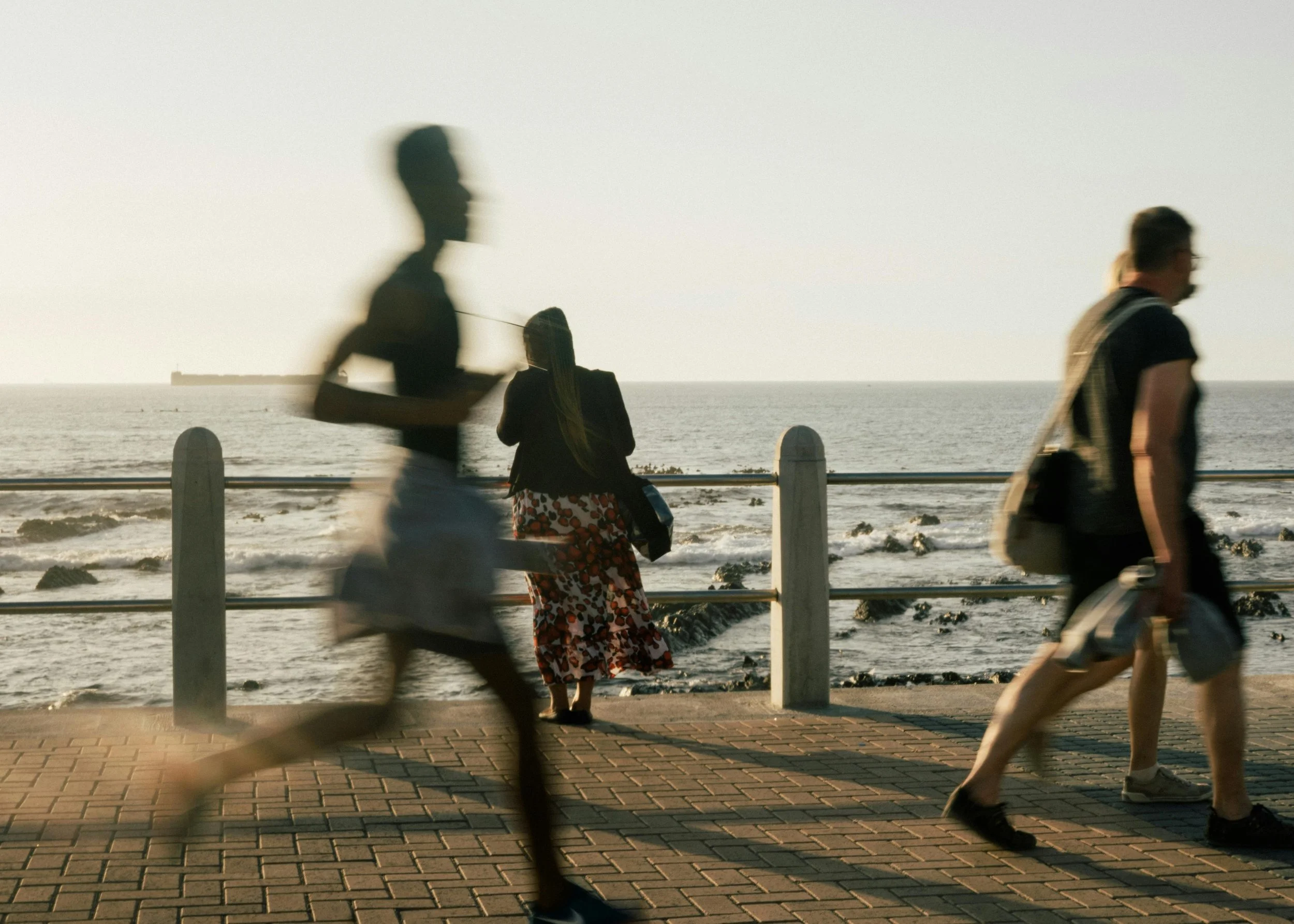
The Sea Point promenade isn't just a beautiful walk — it's one of the best things you can do for your blood pressure. (PHOTO: Pexels/Retha Ferguson)
YOUR HOME FOR HEALTH IN CAPE TOWN
On May 17th, World Hypertension Day was honoured with this year’s theme being, “Controlling Hypertension Together”. This year’s theme emphasises that managing blood pressure is a shared responsibility which requires coordinated action among individuals, families, communities, healthcare workers and governments.
At Cape Town Med, we believe that you don’t have to manage your health in isolation. Let this be an invitation to you to check in on your wellness.
The best thing you can do is know your numbers by booking a consultation where your blood pressure can be checked at Cape Town Med today.
Whether you visit us in the CBD or Sea Point, you won't find a rushed environment. We believe in unhurried, compassionate consultations where you are heard. Your GP is your lifelong partner for diagnosis, treatment, and ongoing monitoring.
SOURCES: British and Irish Hypertension Society, Cleveland Clinic, Heart and Stroke Foundation South Africa, National Institutes of Health, Pharma Dynamics / MyDynamics,Southern African Hypertension Society (SAHS)