Mental Health Matters: Because Not All Illnesses Are Visible

Mental health may be invisible, but its impact is real. Recognise the signs and seek support when you need it. (PHOTO: Kelly Sikema/Unsplash)
By Dr Laylah Fayker | MBChB (STELL) and Keshia Africa
Mental health may be invisible, but its impact is real. At Cape Town Med, we believe that every conversation, check-in, and act of care can help dismantle the stigma around mental health.
World Mental Health Day was first celebrated on 10th October 1992, and today, 33 years later, its cause is more relevant than ever. The day exists for two reasons: to increase awareness about mental health conditions and to highlight the support you can offer the people in your life who are affected by mental illness.
When we speak about our mental health, we are referring to our emotional and psychological well-being. Our mental health is influenced by our everyday experiences and behaviours. This includes our response to periods of stress and joy, how we relate to others, and how we make decisions.
Being in a good state of mind affords you the benefits of working productively, maintaining social relationships, the ability to contribute to community, and feeling balanced and in control of your life. In the same way our bodies can become unwell, our minds can too. When you experience extended periods of stress, work long hours, and experience burnout or lose someone close to you, it can cause a shift in your mental state.
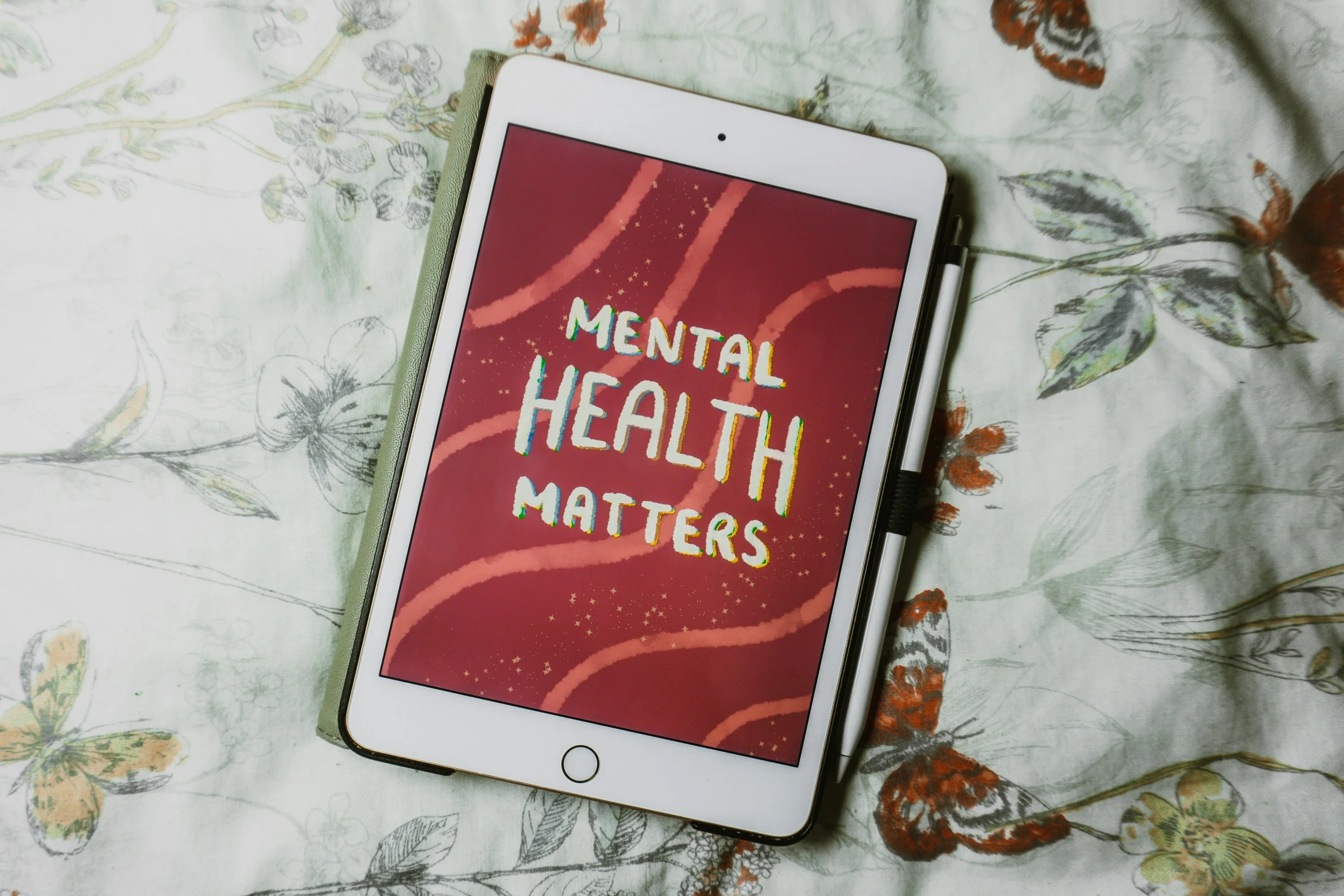
Sometimes the struggles we face aren’t visible - self-awareness is key to support and healing. (PHOTO: Emily Underworld/Pexels)
Multiple factors influence your mental wellbeing, and all of these factors need to be taken into account maintain mental wellbeing:
Biological factors: Hormonal diseases (PCOS, thyroid disease) or your genetics
Life experiences: Child abuse, traumatic events, chronic stress.
Lifestyle factors: Poor sleep, lack of exercise, substance use.
Social environment: Relationships, community, and work-life balance.
SIGNS AND SYMPTOMS:
When symptoms of mental illness cluster together and impact your ability to participate in your life, it may be time for you to reach out for some support. When dealing with various mental illnesses, symptoms can be categorised into the following areas:
Emotional symptoms
Feeling sad, down, or hopeless most of the time
Sudden mood changes or irritability
Feeling anxious, worried, or fearful often
Loss of interest or pleasure in things you used to enjoy
Feeling overwhelmed or unable to cope
Thinking and cognitive symptoms
Difficulty concentrating or making decisions
Racing thoughts or constant overthinking
Negative or self-critical thoughts or “feeling like you’re not good enough”
Forgetfulness or poor memory.
Physical symptoms
Changes in sleep patterns — sleeping too much or too little.
Feeling constantly tired or low in energy
Changes in appetite or weight (eating more or less than usual)
Unexplained aches, pains, or digestive problems
Faster heartbeat, sweating, or shaking (especially with anxiety)
Behavioural/social symptoms
Withdrawing from friends, family, or social activities
Neglecting responsibilities at work, school, or home
Using alcohol, drugs, or food to cope with emotions
Losing motivation or finding it hard to get out of bed.

Acknowledging your struggles is the first step toward care and recovery. (PHOTO: Liza Summer/Pexels)
THE INVISIBILITY OF MENTAL ILLNESS
If you have a broken arm, you’ll have some swelling and some bruising, and you may be put in a cast so the bones can heal. When people can see you have your cast on, they’re more likely to be helpful and empathetic without you having to explicitly tell them. Think of a time when you were at your lowest, where you felt very out of sync with the world around you, and how tough that period was. Now imagine feeling like this every day - that is what people living with mental health issues experience.
When it comes to mental health illnesses, most of them can’t be seen on an X-ray or a blood test, which makes it harder for people to know what you’re going through because the symptoms are internal and unseen. We live in a very fast-paced culture where we feel like we need to keep up, move on, and be okay. Mental distress doesn’t leave visible marks, but it can be just as painful and disabling as a physical illness.
Because the signs aren’t obvious, those living with mental illness often feel isolated or invalidated, as if their pain isn’t real. They delay seeking help, thinking they should “just get over it.” People living with mental health conditions receive less support from family, friends, or workplaces. Some people learn to ‘mask’ their symptoms by pretending to be okay because they feel pressure to keep going.
This creates an environment where people experiencing poor mental health feel like they won’t be heard or that they will be seen as weak, which feeds into the stigma around mental illness. This invisibility can make recovery more difficult and increase the risk of conditions worsening over time.
Recognising that mental health struggles are real and valid is the first step. Talking openly about mental health helps reduce stigma and encourages people to seek care early, just as they would for any physical illness. Showing kindness, empathy, and understanding can make a huge difference to someone who is silently struggling.
COMMON MENTAL HEALTH CONDITIONS
Depression
Anxiety disorders
Burnout and stress-related conditions
Panic attacks
Postpartum depression

Checking in on a friend could make all the difference. Conversations matter. (PHOTO: Alex Green/Pexels)
IT’S TIME TO SEE A DOCTOR WHEN:
You’re feeling sad, empty, or anxious most days for more than two weeks
You’re struggling to cope with everyday tasks at work, home, or school.
You’ve lost interest in activities or people you used to enjoy
You’re having sleep problems, changes in appetite, or unexplained physical symptoms (like headaches, stomach aches, or fatigue)
You find it hard to concentrate, make decisions, or feel motivated.
You’re using alcohol, medication, or drugs to manage your emotions.
You’ve noticed mood swings, irritability, or feelings of hopelessness.
Friends or family have expressed concern about your well-being.
You’ve experienced a major life stressor (such as loss, trauma, or illness) and are struggling to recover.
HOW TO SUPPORT YOURSELF
You live in your body and know what a good day looks like and what a bad one feels like. If you notice changes in your emotional symptoms, such as a low mood or irritability, cognitive changes like difficulty concentrating or remembering things, or physical symptoms, such as changes in sleep patterns or low energy, take note of how long they persist.
If these symptoms last for more than two weeks, you may need to see a medical professional.
The World Health Organisation (WHO) defines self-care as the ability of individuals, families, and communities to promote their own health, prevent disease, maintain health, and cope with illness with or without the support of a health or care worker.
Self-care is a way to engage in activities that make you feel connected with life and to support you when illness or changes occur. Examples of self-care are things like exercise, eating a balanced diet, getting enough sleep at night, and extending into things like setting boundaries at work so you don’t work late.
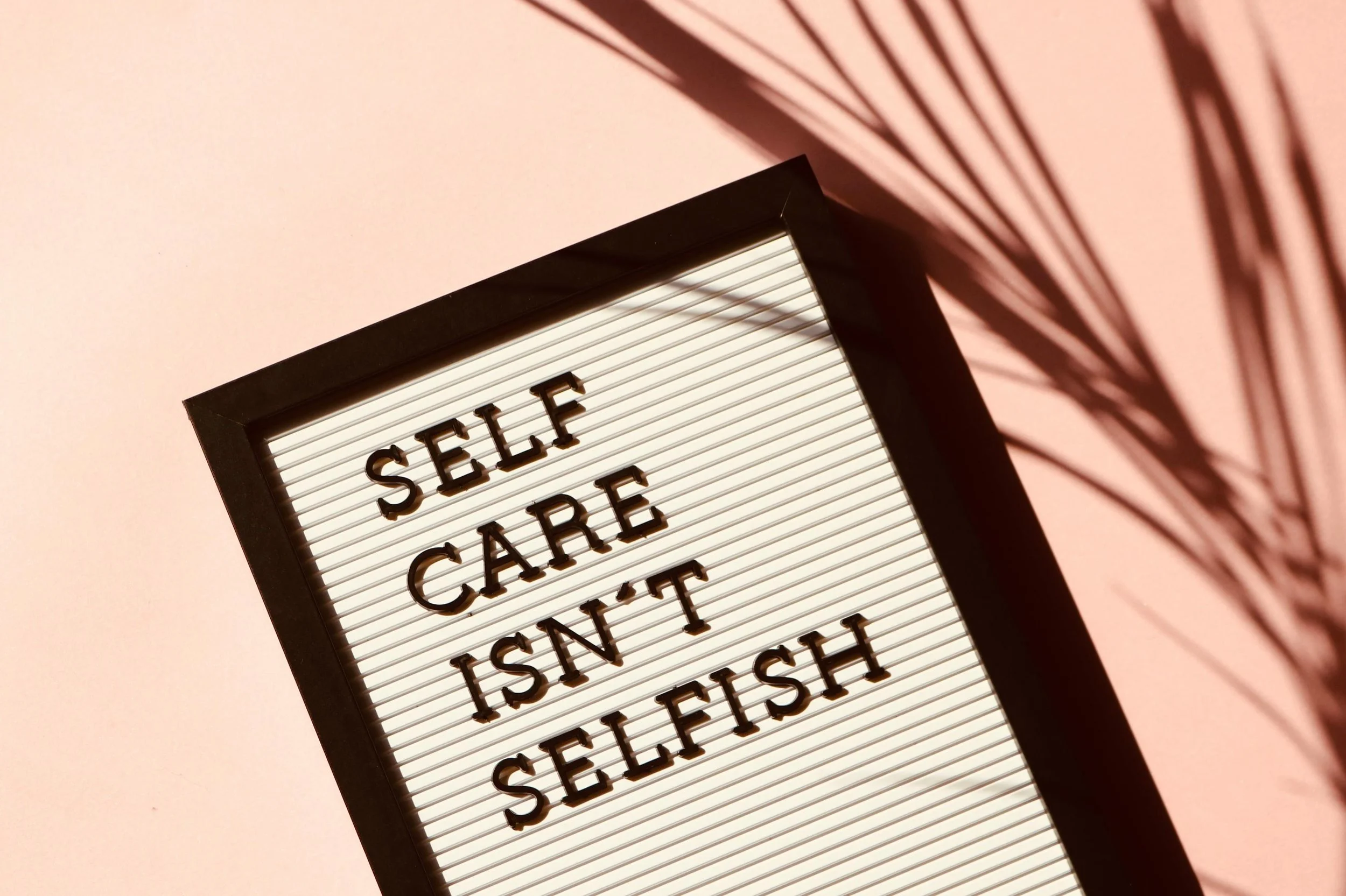
Taking a moment for yourself isn’t selfish—it’s essential for your mental wellbeing. (PHOTO: Pexels)
HOW TO SUPPORT OTHERS
According to the WHO, nearly 1 in 7 people in the world live with a mental disorder – that’s approximately 1.1 billion people globally. It puts into perspective how many people around you may be living with a mental health diagnosis.
If you are currently experiencing symptoms of poor mental health and have identified with the list mentioned above, perhaps this is your sign to reach out to someone. Whether it be a friend/family member, a therapist, or a GP, the first step in treating your mental health begins with acknowledging the hurt you experience and seeking support for your symptoms.
If you know someone who may be experiencing symptoms of poor mental health, the most important part is to check in with them - ask how they are doing, if they need assistance with any of their activities, and to listen to them without judgment. It is also important to be patient and compassionate, especially if you have never experienced having a mental health diagnosis before. The more we have conversations about depression and anxiety, the less stigmatised they become.
Mental health challenges can happen to anyone, regardless of age, gender, or background. Reaching out for help is a sign of strength, not weakness. If you or someone you know is in crisis, seek help immediately by contacting your doctor, a local mental health helpline, or visiting the nearest emergency department.

Hope and healing are possible. Small steps every day support your mental health journey. (PHOTO: Mart Production/Pexels)
At Cape Town Med, we manage our patients seeking help with their emotional well-being with care and consideration. Mental health and well-being are at the core of our practice, internally for our staff and externally for our patients. It is a way of life.
As a practice that prides itself on evidence-based medicine, we know that everything you do flows from your mental state, and this is why it’s a priority. While October might be mental health awareness month, we believe that caring for your mental health is important all year round.
At our practice, we have a vast network of psychologists, psychiatrists, and counsellors to help you on your journey. We believe in managing our patients holistically and focus on the physical, mental, and social aspects of their well-being.
Take care of your mental well-being today.
REFERENCES: The National Institute of Mental Health, World Health Organisation, Global Self-care Federation