PCOS Awareness Month: Symptoms, Diagnosis & Treatment Options Explained

The teal ribbon represents women worldwide living with Polycystic Ovary Syndrome (PCOS). (PHOTO: Stock Image)
By Dr Sivuyisiwe Jekwa | MBChB (STELL)
It’s PCOS Awareness Month! At Cape Town Med, we want to shine a light on Polycystic Ovary Syndrome (PCOS), a condition that affects millions of women worldwide. If you’ve been experiencing irregular periods, acne, hair changes, or fertility challenges, this guide will help you understand PCOS and the steps you can take to manage it effectively.
Did you know that PCOS 15 - 20% of women in their childbearing years, and is also linked to 40% of female infertility cases in South Africa, as per the South African Journal of Obstetrics and Gynaecology. That means approximately 1 in 5 South Africa women are affected by the condition.
Yet due to limited information and research surrounding the condition, it is still treated like a mystery.
Thankfully, we’re living in the 21st century, and today you have tools in your arsenal like evidence-based information and early diagnosis. With these tools and the help of qualified physicians, there’s no need to fear getting your symptoms checked.
WHAT IS PCOS?
PCOS stands for polycystic ovarian syndrome and is named as it appears. It is the development of multiple cysts on the ovaries, which then may result in dysfunction of the ovaries. More specifically, it also causes dysfunction in the hormones produced by the ovaries. The cysts, which form, in turn, impact how the body processes fat, carbohydrates and proteins.
PCOS is an endocrine disorder, a disorder of your hormone system. It causes insulin resistance which causes a dysfunction in the brain organs (hypothalamus and pituitary gland) and the ovaries. PCOS stimulates the release of Androgens (male hormones) which causes an imbalance in the reproductive hormones which affects the ovaries.
The follicles or cysts may appear on the ovaries due to the hormone imbalance. As a result, women experience irregular menstrual cycles and unpredictable ovulation.
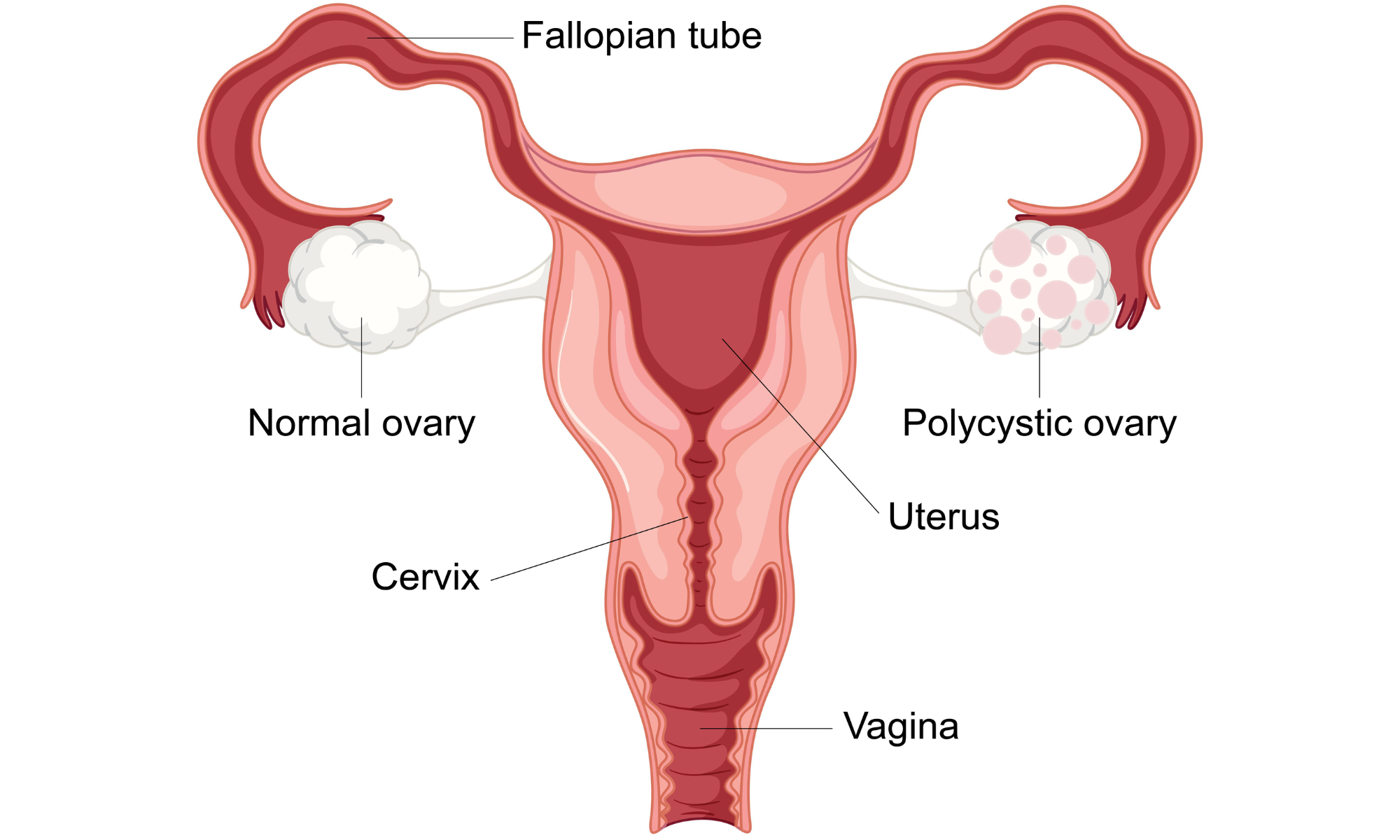
An Illustration showing a normal ovary and a polycystic ovary. (PHOTO: Health Direct)
WHAT CAUSES IT?
The cause is largely genetic, with environmental factors like stress, obesity, unhealthy lifestyle and hormonal fluctuation playing a role. While the exact cause isn’t known, the following factor may play a role:
1. Insulin resistance.
An increase in insulin levels causes your ovaries to make and release male hormones (androgens). The increased male hormones suppress ovulation and contribute to other symptoms of PCOS. Insulin helps your body process glucose (sugar) and use it for energy.
However, when you are insulin-resistant, it means your body doesn’t process insulin correctly, leading to high glucose levels in your blood.
2. Low-grade inflammation.
White blood cells are part of your immune system. Normally, they respond when your body is fighting an infection or healing an injury. When they are active at a low level all the time, even when there’s no infection, this is called low-grade inflammation.
Research shows that people with PCOS often have this kind of long-term, low-level inflammation. This constant ‘background’ inflammation can make the ovaries produce more androgens (male hormones), which can cause symptoms like irregular periods, acne, or hair growth. Over time, this ongoing inflammation and extra hormone production can also increase the risk of heart and blood vessel problems.
3. Heredity.
Research suggests that certain genes might be linked to PCOS. Having a family history of PCOS may play a role in developing the condition.
4. Excess androgen.
In PCOS, the body makes higher levels of male hormones called androgens. These extra hormones can stop your ovaries from releasing eggs regularly, which leads to irregular periods. When eggs don’t release properly, small fluid-filled sacs (called cysts) can form on the ovaries.
High androgens can also cause acne and extra hair growth on the face, chest, or other areas in women.
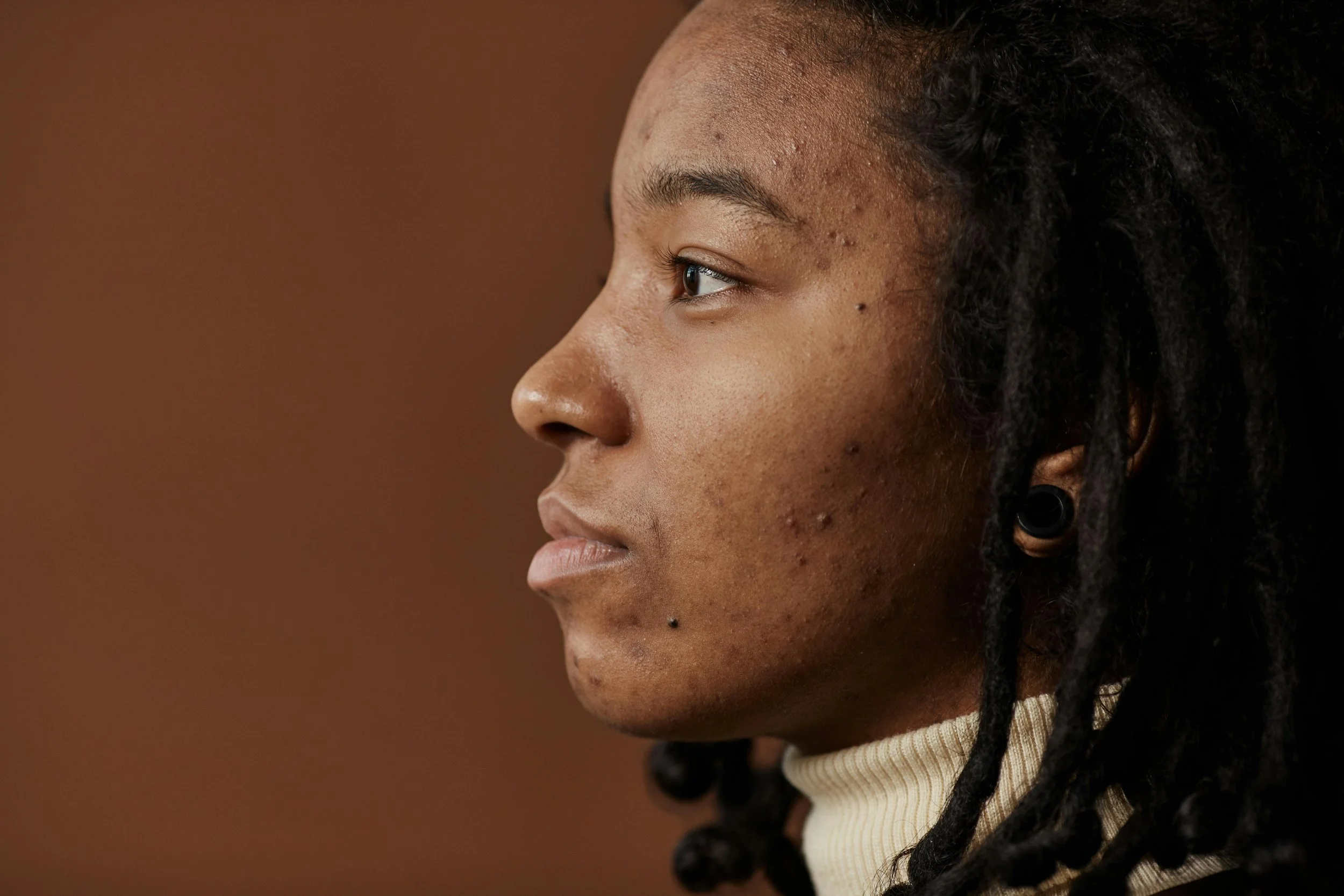
Acne is one of the PCOS symptoms that are more commonly known. (PHOTO: ShotPot/Pexels)
WHAT ARE THE SYMPTOMS?
PCOS can present in many ways, including:
Excessive hair growth on the face and body
Acne/oily skin
Irregular/infrequent periods
Hair loss or abnormal hair growth
Weight changes (difficulty losing weight/weight gain)
Mood swings
Fertility challenges
PCOS health education is incredibly valuable as the condition doesn’t only affects your reproductive system but is also associated with the following health conditions:
Increased risk of type 2 diabetes, high cholesterol and heart disease
Mental health conditions like depression
Headaches and migraines
Monitoring for the above conditions, as well as ensuring long-term support is provided, is essential after diagnosis of PCOS.
HOW TO SCREEN FOR PCOS
If you suspect that you might be dealing with PCOS, the first step is to have a consultation with your GP. The consultation for this might last a little longer than what you’re used to, but this is because seeking a diagnosis or clarity of your symptoms requires detailed observations of your health.
At your doctor’s visit, you will be asked for a detailed health history, your menstrual history, family history, any concerns you may have and any other information that may aid diagnosis. A physical exam will also be done.
Thereafter, blood tests will be done to check your hormones, blood sugar, and cholesterol.
Lastly, you would receive a referral to a specialist gynaecologist, where a pelvic ultrasound will be performed to view the ovaries for any cysts.

Your journey to a PCOS diagnosis begins with your primary care physician. (PHOTO: Keshia Africa)
HOW IT’S TREATED:
The treatment for PCOS is multifaceted because every aspect of the condition and its effects must be addressed. The following ought to be addressed by your healthcare provider:
Lifestyle changes address the metabolic and mental health aspects. These include a balanced diet, adequate exercise, and stress management.
Medical management includes contraception to regulate periods and may include other medications like metformin and spironolactone to address the physical symptoms.
Mental health support, which may exist in the form of a psychologist/psychiatrist
Regular GP monitoring to monitor for any other conditions that may arise as a result.

Exercise is one of the recommended treatment options for people with PCOS. (PHOTO: Karl Solano/Pexels)
At Cape Town Med, our role does not start and end with diagnosis. We offer support and holistic care for women living with PCOS, ensuring that care is tailored to our patients’ specific needs in the wide variation of symptoms present in our population. Both our Sea Point and CBD practices have kind, compassionate, and empathetic doctors who are knowledgeable on PCOS and remain up to date on any new developments as research is conducted.
If you are either worried that you have PCOS or are struggling with symptoms, please don’t hesitate to book a consultation. We’d be happy to support you as you navigate this journey!
SOURCES: MAYO CLINIC, CLEVELAND CLINIC, EM GUIDANCE, EUROPEAN JOURNAL OF OBSTETRICS & GYNAECOLOGY AND REPRODUCTIVE BIOLOGY, BMC WOMEN’S HEALTH